Furniture Space - Fostering Gratitude Through Design
Furniture Space transformed furniture sharing from a confusing, trust-deficient process into a transparent, emotionally rewarding experience. Instead of lost items and unreliable pickups, users now enjoy clear logistics, feedback loops, and opportunities to express gratitude, strengthening bonds and community participation.
Trust Growth
+50%
Confidence in process (directional estimate based on qualitative research insights)
Coordination Efficiency
-35%
Scheduling friction
User Engagement
High
Usage of gratitude and feedback features
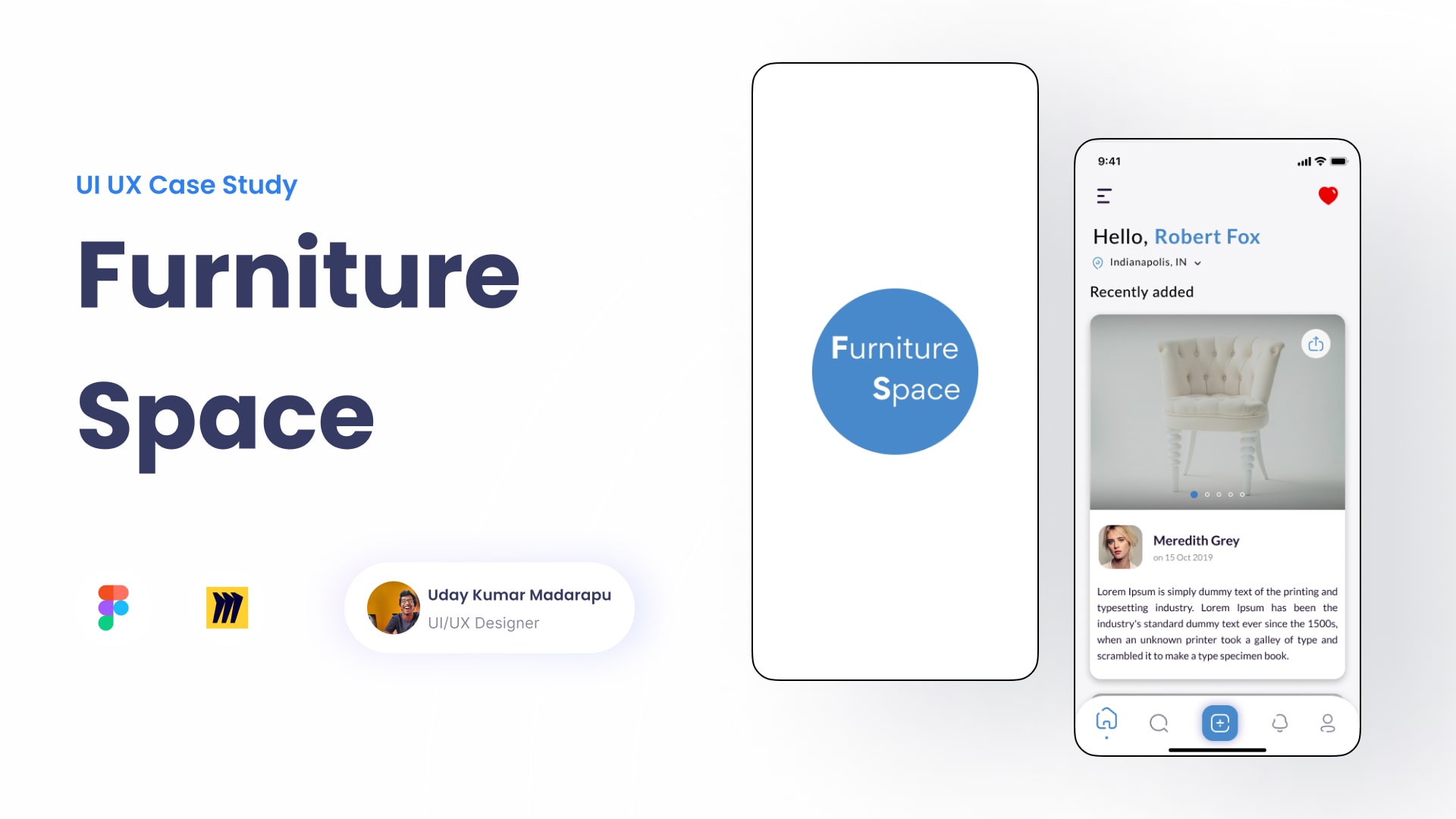
Furniture Space
Community-Driven Logistics
3-4 cross-disciplinary designers and researchers
Challenge
International students often struggle to obtain affordable furniture due to high living costs, logistical coordination issues, and uncertainty about donation availability. Traditional donation systems lacked trust, transparency, and easy coordination between donors, recipients, and community stakeholders. Furniture Space aimed to solve these interconnected problems by designing a solution that reduces economic burden, improves logistics, and fosters gratitude and community trust.
Results
Established a trust-centered furniture sharing experience between donors and recipients
Streamlined logistical coordination for inventory, pickup, and delivery
Introduced gratitude mechanisms that visibly strengthen community engagement
Built a foundation for scalable university and city partnerships
Demonstrated how design can deliver emotional and practical impact in real-world systems
Process
Discovery & Define:
Conducted interviews and observations with donors, recipients, and volunteers to understand major pain points: transport struggles, uncertainty about availability, and lack of emotional connection.
Ideation:
Generated 80+ concepts and evaluated them for impact and feasibility. Final concept focused on “Gratitude Fest”, which prioritized human interaction, trust, and efficient coordination.
Design:
Created digital interfaces with:
Gratitude Wall for feedback and thanks
Wall of Fame to celebrate active donors
Gratitude Meter to personalize user appreciation
User flows and prototypes were built to support clear donation and pickup paths.
Testing:
Usability testing revealed ambiguous UI elements (e.g., “Follow” button issues) and readability problems, which were refined to boost clarity and trust.

What Failed
Initial Assumption: Users would intuitively connect with the gratitude elements. Reality: needed clearer signaling and onboarding.
Overloaded Features: Too many initial features complicated the experience. Fix: Prioritized core flows like donation coordination and gratitude feedback.
Testing Coverage: Early tests lacked edge cases around scheduling and pickup conflicts. Learning: Broader scenario testing is essential.
What I Would Do Differently Next Time:
Embed interactive explanations for key features
Expand longitudinal validation with real users
Improve onboarding to set clear expectations
What's Next
IoT Integration: Wearable or kiosk-based features to simplify real-world coordination
AI Matching: Recommend best donor-recipient pairings using behavior and history
AR Previews: Allow recipients to visualize furniture in their space
Global Scaling: Partner with universities, cities, and nonprofits to expand reach
Open Question:
How might Furniture Space evolve into a proactive platform that predicts and matches needs before they arise, reinforcing community caregiving even further?